
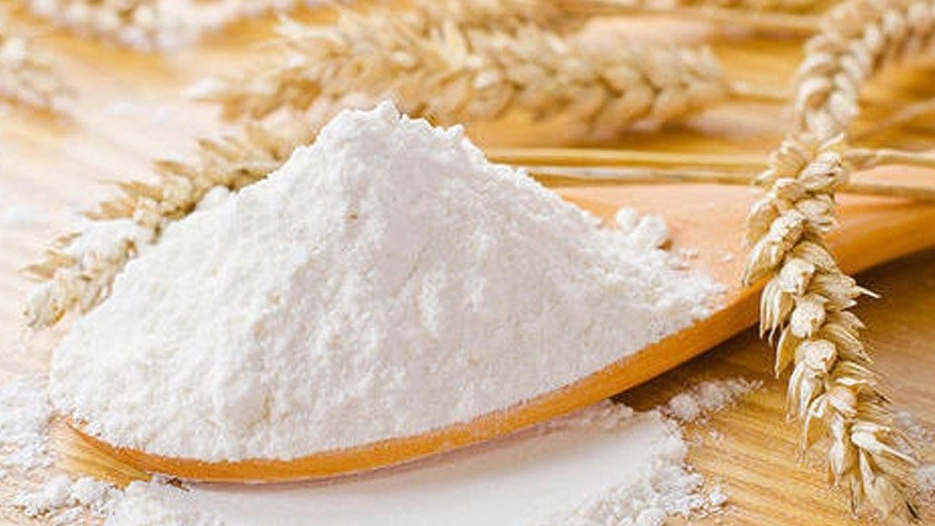
imports of flour from Russia in Gilan Talesh with Kayhan Trade Trading
Introduction
Due to the increasing development of the bakery industry and the daily need for quality raw materials, imports of flour from Russia in Talesh Gilan have become one of the most important and strategic topics in the food trade. The bakery industry, as one of the main foundations of food security, always requires access to sustainable and high quality wheat and flour resources. In recent years, due to domestic production constraints and global market fluctuations, various countries have been investigated as flour sources. In the meantime, Russia, one of the world's largest producers and exporters of wheat in the world, has become one of the most attractive options to meet the needs of the Iranian flour and bread industry. Talesh city in Guilan province, with its unique geographical location, plays a key role in facilitating and accelerating the process of importing flour from Russia because of its proximity to the northern ports of the country. Companies such as Kayhan Trade Trading use their extensive experiences and networks, play an important role in providing this basic need and act as a bridge between global markets and domestic needs. This text examines the comprehensive process of importing flour from Russia to Talesh Gilan, opportunities, benefits, challenges and role of key actors in this field.
why Russian flour?
Russian flour has always been the focus of Iranian businessmen and food industries because of its optimal quality, high protein, good color and competitive price. Wheat produced in fertile Russian areas, due to climatic conditions and modern agricultural techniques, is of high quality, which directly affects the quality of flour produced. Considering a set of these factors, Iranian businessmen import flour from the country to meet the needs of industries such as bakeries, pastry and pasta production.
Russian flour properties
Russian flour, which is prepared to export to Iran, usually has standard features that make it suitable for different uses. These features not only help the ultimate quality of food products, but also facilitate the production process.
- Protein content between 11 and 13 % : This amount of protein, especially gluten in flour, is very important for baking bread. High protein creates a strong structure in the dough, good elasticity, and better volume in bread. This feature makes Russian flour ideal for the production of traditional and industrial breads that require strong dough and coherent texture.
- White and the smoothness of flour : The purity and whiteness of the flour indicates the precise milding process and the separation of bran and impurities. White flour gives a better appearance to the end products and is more visually appealing to the consumer. Also, flour tissue uniformity enhances predictability in the baking process.
- High durability : High quality wheat and proper maintenance and packaging process lead to producing long -lasting flours. This feature is very important for exporters and importers, as it allows storage and distribution over longer periods and prevents waste.
- reasonable price compared to similar domestic flour : One of the main reasons for the attraction of flour imports from Russia is its competitive price. While domestic production faces challenges such as drought, input costs and export restrictions, affordable flour imports can help regulate the market and control production costs. This is especially important for bakeries and small and medium -sized producers working with less profit margins.
benefits of importing Russian flour to Iran
Imports of flour from Russia, in addition to providing urgent needs, bring long -term strategic benefits to the Iranian food industry.
- Sustainable supply of raw materials : Surely dependence on domestic production can sometimes face seasonal or climate challenges. Imports from a variety of sources such as Russia reinforces the supply chain and ensure sustainable access to flour throughout the year. This is especially critical at times when internal harvesting is less than expected.
- Reducing pressure on domestic producers in low -income seasons : In periods when domestic wheat production has problems, flour imports can act as a supportive lever. This prevents the sudden rise in prices and reduces the pressure on domestic manufacturers because they do not need to meet the market alone.
- Improving the quality of bakery and pastry products : With access to high protein flour and constant quality, domestic manufacturers will be able to improve the quality of their products. This can help increase customer satisfaction, competitiveness in regional markets, and even export of end products.
Talesh's role in importing flour from Russia
Talesh city in Guilan province has a very good geographical location for flour imports due to its proximity to the Astara and Anzali port. Due to its location on the Caspian coast, the area has direct access to international freight marine routes, which is one of the cheapest and most efficient freight methods.
- Import Route : The logistical route of flour import from Russia is usually that wheat or flour is loaded from important Russian ports in the Caspian Sea (such as Astrakhan or other ports) and transmitted through bulk ships to northern Iranian ports, mainly Anzali port or in some cases. Following the evacuation of these ports, the cargo is transferred to the relevant warehouses in Talesh or other parts of Guilan province using a road transport fleet (standard trucks). This sea-sea route is much more optimized in terms of time and cost than ground or air transport than other routes.
- Benefits of Talesh Position :
- Reducing shipping costs : Proximity to the main portfolio costs. This cost savings can ultimately reduce the cost of flour for the end consumer.
- Facilitating the clearance process : The existence of port and customs infrastructure in Anzali and Astara ports facilitates the clearance process. Mastery of these processes by active business companies in the region, such as the Kayhan Trade Trading, can minimize the waiting time for evacuation and distribution of goods.
- proximity to the northern consumption markets : Gilan province and its neighboring provinces, including Mazandaran and Ardebil provinces, Talesh in strategic position allows for rapid and effective distribution of imported flour to these areas.
Flour Import Steps from Russia
The process of importing flour, like any other commercial commodity, requires a specific legal and executive process to ensure the health and legal entry of goods into the country.
Flour Import Import Rules and Regulations
Imports of any food product, especially basic items such as flour, are subject to strict rules and regulations that are determined and monitored by the relevant government agencies. The purpose of these regulations is to ensure the health and security of the community as well as to support domestic production.
- Health and Health License : Imported flour cargo must have the necessary approvals from the Veterinary Organization and the Food and Drug Administration. These licenses are issued after inspection and sampling and confirmation of the goods to the health and health standards.
- Qualitative Standard : Imported flour must comply with Iranian national standards (ISIRI). The National Iranian Standard Organization is responsible for formulating and overseeing the implementation of these standards. These standards include the minimum amount of protein, humidity, ash, the presence of external materials and other qualitative parameters.
- Order registration license : Import of goods requires an order registration license from the Ministry of Industry, Mining and Commerce. This license is issued prior to shipment of goods and indicates that imports are permitted within the framework of the country's trade policies.
- Vegetable quarantine license : Given that wheat and flour may carry pests or plant diseases, imported cargo must be imported by the Organization.
The Role of the Kayhan Trade Commerce in Import of Russian Flour
Kayhan Trade Trading Company With years of experience in international commerce, it has been able to make Russian flour imports simple, fast, and at the lowest possible cost. The company has been able to provide comprehensive and integrated services to its customers with a deep understanding of the complexity of international business processes as well as a detailed understanding of the target market.
- Kayhan Trade Trading Services :
- Free Consultation for Flour Type : Due to the variety of wheat and varieties of flour produced in Russia, as well as different needs of different industries (bakery, confectionery, pasta, etc.), Choose themselves.
- secure and transparent contracts : Relying on its legal and empirical knowledge, the company concludes contracts with Russian suppliers that guarantee maximum transparency and security for Iranian buyers. Careful observance of the contract details, including quality, delivery time, is the company's top priority.
- Customs Customs Rapid clearance : One of the most challenging parts of import is the customs clearance process. Kayhan Trading Company, with a specialized team familiar with the latest customs rules as well as strong communication with customs officials, performs the clearance process quickly and without wasting time.
- Widespread distribution in Gilan province and other provinces 's provincial transfers and transfers. This makes the products reach the end manufacturers as quickly as possible.
impact of Russian flour imports on domestic market
Imports of Russian flour, especially in Talesh and Guilan province, have a significant impact on the dynamics of the domestic market. These effects are often positive and help regulate the market and improve the welfare of consumers.
- market regulation and prevent supply deficiency : In times of reasons (such as increasing demand at specific times, reducing domestic production or transportation problems), imports of flour supply in the market, imports from external resources quickly offset this deficiency and prevent prices from producing bread and other products. It is a significant portion of the cost of bread production and its products. Flour imports at competitive prices prevent prices from unnecessarily prices and maintain people's purchasing power. This contributes to economic and social stability.
Flour Import Challenges
Despite the many benefits, the import of flour from Russia also has challenges that require careful planning and smart management to overcome them.
- Exchange rate fluctuations : Pricing of goods in world markets is usually based on internationally accredited currencies (such as dollars or euros). Exchange rate fluctuations in Iran can have a direct and significant impact on the cost of imports and make it difficult to predict costs.
- Change of customs tariffs : Governments may change import tariffs in support of domestic production or market regulation. These sudden changes can affect import profitability and require rapid adaptation of business strategies.
- International transportation constraints : Although maritime transport is the cheapest option, it may face challenges such as a lack of container, or increase in the rate. These restrictions can increase the delivery time and affect the final cost.
Future of Flour Import from Russia
Due to the high potential of wheat production in Russia and the Iranian market's continuous need for quality raw materials and reasonable prices, the future of flour imports through paths such as Talesh seems promising.
- Increased Market Requirements : Population growth and increased consumption of bakery and pastry products increase the need for quality flour imports.
- Commercial cooperation between Iran and Russia : Governments are trying to expand their business relationships. Bilateral agreements on facilitating commodity trade, including agricultural products, can clarify the prospect of flour imports.
- Growth in the coming years : By removing obstacles and facilitating processes, it is expected that the volume of flour imports from Russia to Iran is expected to grow. This can help strengthen the food security and sustainability of the bakery industry.
Conclusion